A Guide to Playing Soccer in the Summer Heat
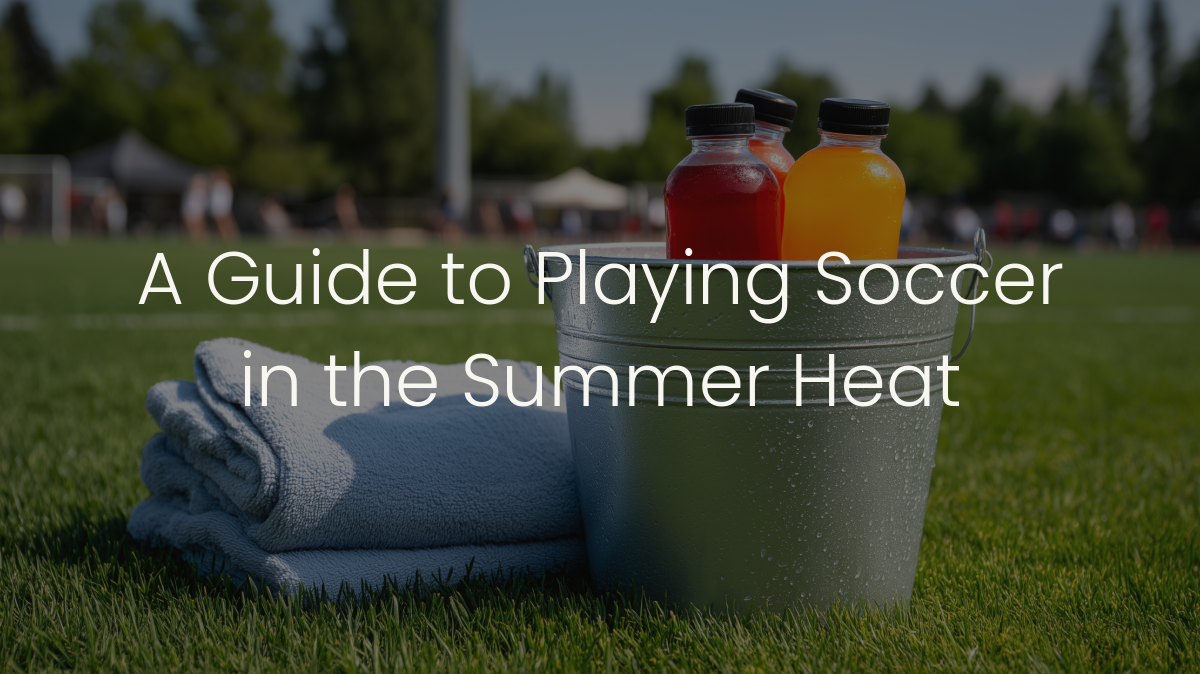
Summer is one of the most important times of the year for soccer players.
It’s when you:
Train the most
Compete in camps and tournaments
Prepare for your fall season
Push your limits
But there’s one challenge that can derail everything if you don’t manage it properly:
👉 The heat.
Training and playing in high temperatures can:
Drain your energy
Slow your performance
Increase injury risk
Lead to serious heat-related illness
And yet, every summer, players underestimate it.
The difference between players who struggle in the heat and players who thrive?
👉 Preparation, awareness, and smart habits.
This guide breaks down everything you need to know about playing soccer in the summer heat:
How heat affects your body
How to stay cool
What to eat and drink
How to train safely
And how to still perform at your best
Why Playing in the Heat Is So Challenging
Soccer is already one of the most physically demanding sports:
Constant movement
Sprinting and recovery
High endurance demands
Now add heat, and everything becomes harder.
What Happens to Your Body in the Heat
When you train in hot conditions:
Your body temperature rises
You sweat to cool down
You lose fluids and electrolytes
Your heart works harder
Your energy drops faster
Performance Effects of Heat
Slower sprint speed
Reduced endurance
Slower decision-making
Increased fatigue
Decreased focus
Health Risks
If unmanaged, heat can lead to:
Dehydration
Heat exhaustion
Heat stroke (medical emergency)
The Goal: Manage the Heat, Don’t Fight It
You can’t control the weather.
But you CAN control:
How you prepare
How you hydrate
How you recover
How you pace yourself
Players who manage these factors:
👉 Perform better AND stay safer.
1. Hydration: Your #1 Priority
If you take one thing from this blog, it’s this:
👉 Hydration is everything in the heat.
Why Hydration Matters
Water helps:
Regulate body temperature
Maintain energy levels
Prevent cramping
Support muscle function
How Much Should You Drink?
Before Training
16–24 oz of water 2–3 hours before
8–12 oz 20 minutes before
During Training
Small sips every 10–15 minutes
After Training
Replace what you lost
Aim for clear or light-yellow urine
Electrolytes Matter Too
Sweat isn’t just water, it contains:
Sodium
Potassium
Magnesium
When to Use Electrolytes
Long sessions (60+ minutes)
Double sessions
Tournament play
Extreme heat days
Hydration Mistakes to Avoid
❌ Waiting until you’re thirsty
❌ Only drinking during training
❌ Ignoring electrolytes
❌ Drinking too much at once
2. Fuel Your Body the Right Way
What you eat directly impacts how you perform in the heat.
Before Training
Focus on:
Carbs for energy
Light, digestible meals
Examples:
Oatmeal with fruit
Rice and chicken
Toast with peanut butter
Avoid Before Training
Heavy, greasy foods
Large meals right before
Too much sugar
After Training
Focus on recovery:
Protein (muscle repair)
Carbs (energy restoration)
Examples:
Smoothie
Chicken + rice
Yogurt + fruit
3. Dress for the Heat
What you wear matters more than you think.
Best Clothing Choices
Light colors
Breathable fabrics
Moisture-wicking materials
Avoid
Dark colors
Heavy fabrics
Cotton that traps sweat
Extra Tips
Wear a hat when not playing
Use sunscreen
Change into dry clothes after sessions
4. Train Smarter (Not Just Harder)
Summer is about improvement, but not at the cost of your health.
Adjust Your Training Schedule
Best times to train:
Early morning
Late evening
Avoid:
Midday (peak heat)
Modify Intensity
In extreme heat:
Shorten sessions
Increase rest breaks
Focus on quality, not quantity
Listen to Your Body
If you feel:
Dizzy
Lightheaded
Nauseous
Overheated
👉 Stop immediately.
5. Cooling Strategies That Actually Work
Before Training
Stay in shade
Use a cool towel
Drink cold fluids
During Training
Use water breaks
Pour water on neck/head
Stay shaded when possible
After Training
Cold shower
Ice towels
Rest in a cool environment
Pro Tip
Cooling your:
Neck
Head
Hands
This is most effective for lowering body temperature.
6. Preventing Heat Illness
Understanding the warning signs can save your performance and your health.
Heat Exhaustion Symptoms
Heavy sweating
Weakness
Headache
Nausea
Dizziness
Heat Stroke (Emergency)
Confusion
No sweating
High body temperature
Loss of consciousness
👉 If this happens: seek medical help immediately.
7. Build Heat Tolerance Over Time
Your body can adapt to heat but it takes time.
Heat Acclimatization
Over 1–2 weeks:
Your body becomes more efficient
You sweat earlier
You lose fewer electrolytes
Your performance improves
How to Do It Safely
Gradually increase exposure
Start with shorter sessions
Stay hydrated
Monitor how you feel
8. Recovery Is Even More Important in the Heat
Post-Training Checklist
✔ Rehydrate
✔ Eat within 30–60 minutes
✔ Stretch
✔ Cool down body temperature
✔ Get enough sleep
Sleep Matters More in Summer
Heat + fatigue = higher recovery needs
Aim for:
👉 8–9 hours per night
9. Mental Toughness in the Heat
The heat isn’t just physical, it’s mental.
What Happens Mentally
Fatigue lowers focus
Discomfort increases frustration
Mistakes feel bigger
Mindset Tips
Stay Present
Focus on:
👉 The next play, not the heat
Control What You Can
You can’t control the temperature, but you can control:
Effort
Attitude
Communication
Use Positive Self-Talk
Examples:
“I’m prepared for this.”
“Stay sharp.”
“Keep moving.”
10. Game-Day Heat Strategy
Before the Game
Hydrate early
Eat light
Stay cool
During the Game
Take every water opportunity
Play smart (not just fast)
Communicate
After the Game
Rehydrate immediately
Cool down
Recover properly
11. Common Mistakes Players Make in the Heat
❌ Not drinking enough
❌ Overtraining in extreme heat
❌ Ignoring warning signs
❌ Wearing the wrong clothing
❌ Skipping recovery
❌ Poor nutrition
12. Your Ideal Summer Heat Routine
Morning
Hydrate
Light meal
Training
Midday
Rest
Recover
Stay cool
Evening
Second session or light work
Stretch
Rehydrate
13. What Happens If You Manage the Heat Correctly
You’ll:
✔ Perform better
✔ Recover faster
✔ Stay healthier
✔ Build endurance
✔ Gain a competitive edge
Final Thoughts: Turn the Heat Into Your Advantage
Most players struggle in the heat.
But the players who:
Prepare
Hydrate
Recover
Stay disciplined
👉 Gain an edge.
Because when everyone else is slowing down…you’re still performing.
Final Challenge
At your next training session:
Hydrate before, during, and after
Focus on quality over quantity
Pay attention to your body
Stay mentally strong
Do that consistently…and the heat won’t hold you back. It will make you better.