How To Prevent Soccer Injuries In Young Footballers
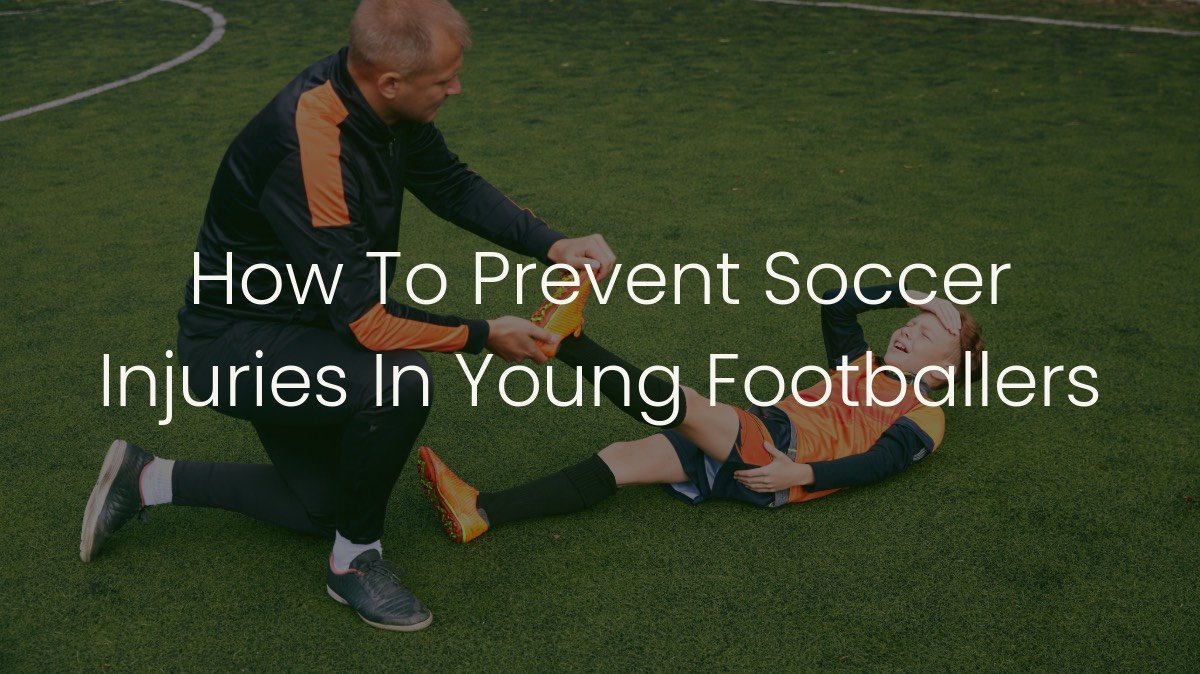
Growing Strong Without Breaking: Understanding Soccer Injuries in Youth Players and How to Prevent Them
Soccer is one of the most popular youth sports in the United States and for good reason. It builds endurance, coordination, confidence, teamwork, and lifelong friendships. From early morning practices to weekend tournaments, soccer becomes a central part of many young athletes’ lives.
But while soccer strengthens growing bodies, it can also expose them to unique injury risks - especially when training loads, competition schedules, and expectations exceed what developing bodies can safely handle.
“Youth soccer players aren’t just small versions of professional athletes,” said Carlos Uquillas, MD, a Cedars-Sinai orthopedic surgeon and sports medicine specialist. “Their bones, joints, and muscles are still growing, and that changes how injuries happen—and how we should prevent them.”
Understanding soccer-specific injury risks can help parents and coaches protect young players not only for the current season, but for a lifetime of healthy movement.
Youth Soccer by the Numbers
Soccer participation continues to grow nationwide, with millions of children and teens playing at recreational, club, school, and academy levels. But that growth has come with a rise in injuries.
Each year:
Millions of youth sports injuries occur, with soccer among the top contributors
About half of injuries seen in pediatric sports clinics are due to overuse
Soccer players frequently experience injuries to the knees, ankles, hips, and lower legs
The encouraging news? Young athletes generally heal faster than adults. The challenge is recognizing how growth, training volume, and sport-specific demands intersect—and where risks increase.
Growth Plates: A Key Risk Area in Youth Soccer
One of the most important differences between youth and adult soccer players lies in growth plates.
Growth plates are areas of cartilage at the ends of long bones that allow bones to lengthen as children grow. Because cartilage is softer than bone, growth plates are more vulnerable to stress.
“A lot of soccer injuries in kids occur around the growth plates of the knee, ankle, and heel,” Uquillas explained. “These areas are under constant stress from running, cutting, jumping, and striking the ball.”
Common Growth-Plate Injuries in Soccer
Osgood-Schlatter disease
Pain below the kneecap where the patellar tendon attaches to the shinbone. Common in 12–13-year-old soccer players who sprint, jump, and decelerate frequently.Sinding-Larsen-Johansson syndrome
Similar knee pain at the lower pole of the kneecap, often seen in young soccer players during growth spurts.Sever’s disease
Heel pain caused by stress on the heel’s growth plate, common in 10–12-year-old players who run extensively on hard surfaces.
These conditions typically develop gradually, not suddenly—and often worsen when players “push through” pain.
Growth Spurts and Soccer Performance
Soccer demands coordination, balance, agility, and precise footwork—all of which can temporarily suffer during growth spurts.
“When bones lengthen faster than muscles and tendons can adapt, kids become tighter and less coordinated,” said Natasha Trentacosta, MD, a pediatric sports medicine specialist. “That increases joint stress and injury risk.”
During rapid growth phases, soccer players may experience:
Reduced flexibility
Altered running mechanics
Increased muscle tightness
Higher risk of strains, knee pain, and ankle injuries
This is often when parents notice their child “looking awkward” on the field—a normal but important signal that training loads may need adjustment.
Strength, Power, and Injury Risk in Soccer
As players enter puberty, strength and power increase—especially in boys.
“More muscle mass means more force going through the joints,” Trentacosta explained. “If flexibility, movement quality, and recovery don’t keep up, injuries become more likely.”
In soccer, that increased force affects:
Cutting and pivoting movements
Jumping and landing
Sprint acceleration and deceleration
Ball striking and tackling
Common Soccer Injuries Linked to Increased Force
ACL tears
Ankle sprains
Muscle strains (hamstrings, quads, calves)
Meniscus injuries
Stress fractures
Hip flexor and groin strains
Many of these injuries occur without contact, often during sudden direction changes or awkward landings.
Overuse and Tournament Culture in Youth Soccer
One of the biggest injury drivers in youth soccer today is overuse.
“Professional players have mandated rest days,” said Tracy Zaslow, MD, a pediatric sports medicine physician. “But youth soccer players often play multiple games in a single weekend tournament.”
In tournament settings, young players may:
Play 3–6 matches over two days
Compete with minimal recovery
Accumulate fatigue that alters movement patterns
Increase injury risk late in matches
Overuse injuries don’t always look dramatic—but they can derail seasons and development.
Early Specialization in Soccer: Short-Term Gains, Long-Term Risks
Many youth players now specialize in soccer year-round by age 8–10, driven by:
Club expectations
College recruiting pressure
Misconceptions about elite development
But medical research tells a different story.
“We’re seeing more severe injuries in kids who specialize early,” Trentacosta said. “Especially in places where soccer is played year-round.”
Major medical organizations recommend delaying specialization until at least high school, particularly for high-endurance sports like soccer.
Why Multi-Sport Athletes Benefit
Studies show that players who play multiple sports:
Have lower injury rates
Develop better overall athleticism
Show better long-term soccer performance
Experience less burnout
“Success from early specialization is often short-lived,” Zaslow explained. “The goal is lifelong physical activity, not just early wins.”
Injury-Prevention Tips for Soccer Parents and Coaches
1. Manage Weekly Training Volume
The age-to-hours rule is a simple guideline:
Players should not train more hours per week than their age.
For example:
A 10-year-old → no more than 10 hours/week
A 14-year-old → no more than 14 hours/week
This includes:
Practices
Games
Strength sessions
Private training
2. Prioritize Sleep and Recovery
Sleep is one of the most powerful injury-prevention tools.
“A Cedars-Sinai study showed higher injury rates in young athletes who don’t get enough sleep,” said Zaslow.
Youth soccer players should aim for:
8–10 hours of sleep per night
At least two days off per week from organized soccer
Recovery is not laziness—it’s part of training.
3. Use Soccer-Specific Warm-Up Programs
Warm-ups should prepare players for soccer’s demands—not just raise heart rate.
Programs shown to reduce injury risk include:
FIFA 11+
PEP (Prevent Injury and Enhance Performance)
These programs:
Strengthen knees and hips
Improve landing mechanics
Reduce ACL injuries
Enhance balance and coordination
They take 15–20 minutes and can significantly lower injury rates when done consistently.
4. Fuel Soccer Players Properly
Nutrition and hydration matter—especially during tournaments.
Under 1 hour of play: Water is sufficient
Over 1 hour: Use drinks with carbohydrates and electrolytes
Avoid sugar-free sports drinks during competition
Healthy soccer-friendly snacks include:
Oranges at halftime
Bananas
Yogurt
Granola bars
Chocolate milk post-game (excellent carb-protein recovery balance)
Vitamin D deficiency is also common—even in sunny climates. Parents should discuss supplementation with their pediatrician.
5. Understand Sex-Specific Injury Risks in Soccer
Once puberty begins, injury patterns diverge.
Female soccer players:
Higher risk of ACL tears
More ankle sprains
Greater ligament flexibility due to hormonal factors
Wider pelvis increases knee stress
For female players, strengthening hips, glutes, and core is especially important.
Male soccer players:
More growth-plate injuries
Greater muscle mass increases joint stress
Tightness during growth spurts raises injury risk
Flexibility training and load management are key for boys.
The Bigger Picture: Protecting the Love of the Game
Soccer should build confidence—not fear of injury.
When training is balanced, recovery respected, and growth understood, youth soccer becomes a powerful vehicle for lifelong health.
“Our goal isn’t just to prevent injuries,” Zaslow said. “It’s to help kids enjoy soccer for as long as possible.”
By prioritizing development over pressure, rest over overuse, and health over short-term success, parents and coaches can ensure young players don’t just play better—but grow stronger, happier, and more resilient both on and off the pitch.