How to Prepare for Soccer Preseason
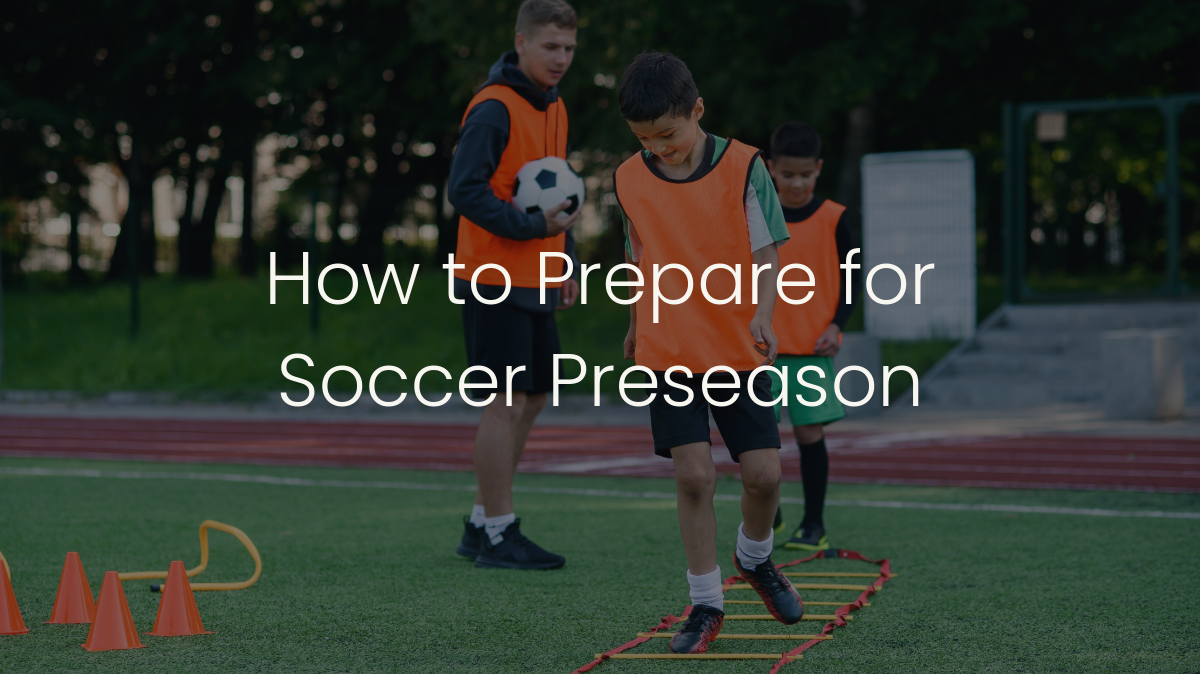
For many soccer players, preseason is one of the most demanding times of the year.
Fitness tests. Double training sessions. Tactical meetings. Scrimmages. Team bonding. Fighting for a starting spot. Impressing a new coach. Building chemistry with teammates.
Preseason sets the tone for the months ahead.
Unfortunately, too many players make the mistake of treating preseason as the time to "get into shape." They arrive underprepared, hoping the first few weeks of training will build their fitness. By then, they're already behind.
The reality is that preseason isn't designed to get you fit. It's designed to prepare your team to compete. If you show up out of shape, you're spending valuable time simply trying to survive instead of standing out.
The players who earn minutes early aren't always the most talented. They're often the players who arrive prepared physically, mentally, and professionally.
Whether you're playing high school, club, college, semi-professional, or professional soccer, this guide will help you prepare for preseason the right way. We'll cover strength training, conditioning, recovery, nutrition, sleep, mobility, and the habits that separate good players from great ones.
Why Preseason Matters More Than You Think
The first few weeks of training are about much more than fitness.
Coaches are evaluating:
Work ethic
Coachability
Communication
Leadership
Tactical understanding
Conditioning
Technical consistency under fatigue
Mental resilience
Attitude
Reliability
In many cases, your first impression lasts the entire season.
If you arrive fit, confident, and prepared, you can focus on learning your team's style of play and showcasing your strengths.
If you arrive exhausted after every conditioning drill, your technical ability suffers, your decision-making slows down, and your confidence drops.
Preparation gives you the opportunity to play your best soccer from Day One.
Start Preparing Before Preseason Begins
The biggest mistake players make is waiting until preseason starts to train.
Ideally, your preparation should begin 4-8 weeks before the first official training session.
During that period, your focus should include:
Building aerobic fitness
Increasing strength and power
Improving sprint speed
Maintaining technical sharpness
Establishing healthy nutrition habits
Developing a consistent recovery routine
When preseason begins, you're not trying to build your foundation - you should already have one.
Strength Training During Preseason
One common misconception is that you should stop lifting weights once preseason begins.
In reality, strength training becomes even more important.
However, your goals change.
Instead of trying to build maximum muscle mass, your objective becomes maintaining strength while staying fresh for practices and matches.
How Often Should You Lift?
Most players benefit from 2 full-body strength sessions per week during preseason.
These sessions should complement your soccer workload, not compete with it.
Heavy lifting every day will only increase fatigue and reduce your quality during training.
Focus on Compound Movements
Choose exercises that provide the greatest return on investment:
Lower Body
Trap Bar Deadlift
Front Squat
Bulgarian Split Squat
Romanian Deadlift
Step-Ups
Upper Body
Pull-Ups
Dumbbell Bench Press
Landmine Press
Single-Arm Rows
Push-Ups
Core
Pallof Press
Dead Bugs
Copenhagen Planks
Farmer Carries
Side Planks
The goal isn't bodybuilding.
The goal is producing stronger, more resilient athletes.
Prioritize Power
Soccer is an explosive sport.
Most actions last only a few seconds:
Sprinting
Jumping
Changing direction
Tackling
Shooting
Include explosive exercises such as:
Box Jumps
Broad Jumps
Medicine Ball Throws
Lateral Bounds
Kettlebell Swings
Keep repetitions low and quality high.
Power training should leave you feeling fast, not exhausted.
Conditioning: Train Like Soccer
Running miles every day isn't the best way to prepare for soccer.
Soccer consists of repeated bursts of high intensity followed by brief recovery.
Your conditioning should reflect that.
Example Session
6 rounds:
20-second sprint
40-second jog
Rest 2 minutes.
Repeat.
Another great option:
10 x 60-meter sprints with full recovery.
Quality always beats quantity.
Don't Neglect Speed
Speed is one of the most valuable qualities in modern soccer.
Dedicate one or two sessions each week to acceleration work.
Practice:
10-yard starts
20-yard sprints
Flying sprints
Curved runs
Reaction sprints
Remember:
Fresh legs produce faster athletes.
Avoid doing speed work after exhausting conditioning sessions.
Recovery Is Training
Many athletes train hard.
Few recover well.
Your body only adapts when you recover.
Ignoring recovery increases your risk of:
Muscle strains
Overuse injuries
Poor performance
Burnout
Recovery isn't being lazy.
Recovery is part of the training process.
Sleep: Your Greatest Recovery Tool
No supplement can replace sleep.
Aim for:
8-10 hours every night
Benefits include:
Faster muscle recovery
Improved reaction time
Better memory
Increased testosterone and growth hormone production
Stronger immune system
Better decision-making
If your schedule allows, a 20-30 minute nap can also improve recovery during demanding preseason weeks.
Hydration Matters More Than You Think
Even mild dehydration can negatively affect:
Sprint speed
Endurance
Passing accuracy
Concentration
Decision-making
Start each practice hydrated.
A simple guideline:
Drink water consistently throughout the day instead of waiting until you're thirsty.
During longer sessions in hot weather, include electrolytes to replace sodium and other minerals lost through sweat.
Nutrition: Fuel Your Performance
Food is more than energy.
It's recovery.
It's adaptation.
It's injury prevention.
It's performance.
Prioritize Carbohydrates
Carbohydrates are your body's preferred fuel source during high-intensity soccer.
Good choices include:
Rice
Potatoes
Oats
Pasta
Whole-grain bread
Fruit
Don't fear carbs.
Use them strategically around training.
Eat Enough Protein
Protein supports muscle repair and recovery.
Aim for approximately:
0.7-1.0 grams of protein per pound of body weight per day
Spread protein across multiple meals.
Excellent sources include:
Chicken
Turkey
Eggs
Greek yogurt
Cottage cheese
Fish
Lean beef
Tofu
Protein shakes when needed
Healthy Fats
Healthy fats support hormones, recovery, and long-term health.
Include:
Avocados
Nuts
Seeds
Olive oil
Salmon
Pre-Training Meal
Eat approximately 2-3 hours before training.
Example:
Grilled chicken
Rice
Vegetables
Fruit
Water
If you're eating closer to training:
Choose something lighter.
For example:
Banana
Peanut butter toast
Granola bar
Applesauce pouch
Post-Training Recovery
The first hour after training is a great opportunity to begin recovery.
Aim for:
Protein
Carbohydrates
Fluids
Example:
Chocolate milk
Turkey sandwich
Protein shake
Rice bowl with chicken
Supplements: Keep It Simple
Supplements should never replace good nutrition.
However, some have strong scientific support.
Examples include:
Creatine Monohydrate
Supports:
Strength
Power
Sprint performance
Recovery
Recommended:
3-5 grams daily
Whey Protein
Helpful if you struggle to meet protein needs through food.
Vitamin D
Particularly beneficial for athletes who receive limited sunlight or have a documented deficiency.
Always speak with a qualified healthcare professional before beginning new supplements.
Mobility and Injury Prevention
A few minutes of mobility each day can make a significant difference over the course of preseason.
Focus on:
Hip mobility
Ankle mobility
Thoracic spine rotation
Hamstring flexibility
Adductor strength
Include activation exercises such as:
Monster walks
Glute bridges
Copenhagen planks
Mini-band lateral walks
Single-leg balance work
Strong, mobile athletes move more efficiently and often stay healthier.
Mental Preparation
Preseason isn't only physical.
The best players prepare mentally as well.
Ask yourself:
What role do I want on this team?
What skills do I need to improve?
How can I become a better teammate?
What does my coach value?
Set process-based goals.
Instead of:
"I want to start every game."
Try:
"I will communicate constantly."
"I will win every recovery run."
"I will complete every training session with maximum effort."
Those are goals you control.
Common Preseason Mistakes
Avoid these common errors:
❌ Trying to get fit during preseason
Arrive fit.
Don't use preseason as conditioning camp.
❌ Skipping strength training
You won't become bulky overnight.
Strength training supports durability and performance.
❌ Not eating enough
Soccer players often underestimate how many calories they burn.
Under-fueling delays recovery and increases injury risk.
❌ Sleeping too little
Recovery starts at night.
Protect your sleep.
❌ Comparing yourself to teammates
Focus on your own improvement.
Compete with yesterday's version of yourself.
Sample Weekly Preseason Schedule
Monday
Team training
Full-body strength session
Mobility
Tuesday
Team training
Recovery walk
Stretching
Wednesday
Team training
Speed work
Core
Thursday
Recovery day
Mobility
Light technical touches
Friday
Team training
Full-body strength session
Saturday
Scrimmage or match
Sunday
Recovery
Foam rolling
Hydration
Meal prep
Your Daily Recovery Checklist
Every day, ask yourself:
✔ Did I sleep at least 8 hours?
✔ Did I eat enough protein?
✔ Did I hydrate consistently?
✔ Did I stretch or complete mobility work?
✔ Did I spend a few minutes foam rolling?
✔ Did I fuel after training?
✔ Am I mentally ready for tomorrow?
Small habits repeated every day create big improvements over an entire season.
The FC Game Changer Preseason Formula
At FC Game Changer, we believe successful preseason preparation comes down to six pillars:
Train with Purpose – Every session should have a clear objective, whether it's improving strength, speed, or tactical awareness.
Recover Like a Professional – Sleep, hydration, nutrition, and mobility are just as important as your workouts.
Fuel Your Body – Eat enough quality carbohydrates, protein, and healthy fats to support the demands of training.
Stay Consistent – Great players don't rely on motivation alone. They build routines they can follow every day.
Take Care of the Details – Warm up properly, cool down after sessions, and listen to your body before small aches become bigger problems.
Compete Every Day – Preseason is your opportunity to earn trust. Bring energy, communicate, and show your coach that you're dependable.
Final Thoughts
Preseason isn't just about surviving fitness tests or making it through two-a-day practices.
It's about laying the foundation for your entire season.
The players who succeed aren't necessarily the ones who run the fastest on the first day or score the most goals in the first scrimmage. They're the ones who prepare before preseason begins, train intelligently, recover consistently, fuel their bodies properly, and approach every session with professionalism.
Remember, championships aren't won in preseason, but they're often built there.
Arrive prepared. Recover with intention. Train with purpose. Fuel your body like an athlete.
Do those things consistently, and when the season begins, you won't just be trying to keep up, you'll be ready to perform at your highest level from the very first whistle.